Choosing replacement windows for your home involves more than selecting a style—the window frame material you choose directly impacts your home’s energy efficiency, maintenance needs, and long-term value. With several frame materials available, each offering distinct advantages and drawbacks, understanding your options helps ensure you select the best window frames for your specific needs and climate.
Whether you’re a homeowner in Maryland, Virginia, or Washington DC looking to reduce energy bills, improve curb appeal, or withstand Mid-Atlantic weather extremes, the right window frame material makes all the difference. This guide explains the four main types of window frames—vinyl, wood, aluminum, and fiberglass—so you can make an informed decision that protects your investment for decades to come.
Vinyl Window Frames
Vinyl frames are manufactured from polyvinyl chloride (PVC), making them one of the most popular window frame materials in use today. Their widespread adoption stems from an ideal combination of affordability, energy efficiency, and minimal maintenance requirements.
Advantages of Vinyl Frames
Vinyl windows offer several compelling benefits for Mid-Atlantic homeowners. These frames provide excellent insulation properties, with multi-chambered construction that achieves U-values as low as 0.25—well below Maryland and Virginia building code requirements. This superior thermal performance translates directly into lower utility bills throughout the year.
Durability is another significant advantage. Custom-manufactured vinyl windows from Thompson Creek resist rot, insects, and coastal salt air corrosion, making them particularly well-suited for homes near the Chesapeake Bay. The material won’t crack, peel, bend, or warp under normal conditions, and modern UV-stable coatings prevent the chalking and fading that plagued earlier vinyl products.
Maintenance requirements are minimal—a simple periodic cleaning with soap and water keeps frames looking new for decades. Unlike wood frames, vinyl never requires painting, staining, or sealing, saving homeowners both time and money over the window’s lifespan.
Vinyl Frame Considerations
While vinyl offers numerous advantages, homeowners should understand its characteristics. Color options, though expanded in recent years, remain more limited than custom-painted alternatives. Most manufacturers offer white, beige, and select custom colors. However, painting vinyl frames after installation is not recommended for optimal performance—when color customization is desired, it’s best for the manufacturer to paint windows during production.
Energy Efficiency Performance
For homeowners focused on energy savings, vinyl frames excel in Mid-Atlantic climates. When properly installed with energy-efficient glass packages, vinyl windows can reduce heating and cooling costs significantly. They perform particularly well during Maryland’s humid summers and Virginia’s cold winters, maintaining consistent indoor temperatures year-round. Quality vinyl windows typically last 20-40 years with minimal maintenance, making them an excellent long-term investment.
Wood Window Frames
Wood frames represent the traditional choice for window construction, prized for their natural beauty and classic aesthetic appeal. These frames offer excellent insulation properties and remain popular in historical homes and heritage neighborhoods throughout the Mid-Atlantic region.
The Appeal of Natural Wood
Wooden window frames provide unmatched warmth and character, with natural grain patterns that add timeless elegance to any architectural style. The material offers superior insulation properties, as wood is a natural insulator that helps regulate indoor temperatures effectively.
Customization options are extensive—wood frames can be painted or stained in virtually any color, making them ideal for homeowners seeking specific aesthetic matches. This flexibility makes wood particularly suitable for historic homes in areas like Annapolis, Old Town Alexandria, or Georgetown, where maintaining architectural authenticity is important.
Maintenance Requirements and Climate Challenges
Wood frames demand significantly more maintenance than other materials. In the Mid-Atlantic’s mixed-humid climate, where homes experience freezing winters, hot summers, and coastal humidity, wood requires regular resealing and repainting to prevent moisture damage.
Without proper maintenance, wood frames risk expansion and contraction due to moisture changes, potentially leading to operational difficulties when windows swell or warp. Rot and weathering become concerns in areas with persistent wet conditions, particularly in coastal regions or densely wooded neighborhoods that retain moisture.
Longevity and Investment
Despite higher maintenance demands, properly cared-for wood windows can last for decades. Historic homes hundreds of years old still feature original wooden frames, demonstrating the material’s potential longevity when maintained correctly. However, wood windows typically represent the most expensive option, with costs reflecting both material quality and the anticipated maintenance investment.
Aluminum Window Frames
Aluminum frames offer exceptional strength and durability, making them a popular choice for specific applications. These metal frames provide slim profiles that maximize glass area while delivering long-lasting performance with minimal upkeep.
Strength and Durability Benefits
Aluminum window frames excel in structural strength, making them ideal for supporting large glass panels in contemporary designs. The material resists rot, mold, and insect damage and stands up exceptionally well to Mid-Atlantic weather conditions when properly treated.
The slim aluminum profiles allow for the creation of a modern, minimalist aesthetic that appeals to homeowners seeking sleek, contemporary styling. These frames can span larger openings than vinyl or wood, enabling expansive glass areas that maximize natural light and views.
Energy Efficiency Limitations
The primary drawback of aluminum frames involves energy efficiency. As a metal, aluminum conducts heat readily, making it among the least energy-efficient window frame materials for the Mid-Atlantic climate. Without thermal breaks—insulating barriers within the frame—aluminum windows transfer heat and cold directly between indoors and outdoors.
This thermal conductivity makes aluminum frames poorly suited for Maryland winters and Virginia’s temperature extremes. Homeowners choosing aluminum should ensure frames include thermal breaks and consider the climate implications carefully. While aluminum may work adequately in consistently warm climates, it typically underperforms in regions experiencing significant seasonal temperature variations.
Cost and Application Considerations
Aluminum frames fall into the mid-to-higher price range, though they cost less than premium wood options. The combination of limited energy efficiency and higher costs makes aluminum less ideal for most residential applications in the Mid-Atlantic, particularly for homeowners prioritizing long-term energy savings.
Fiberglass Window Frames
Fiberglass represents the newest major player in window frame materials, offering exceptional durability and thermal performance. These frames combine strength with energy efficiency, creating a premium option for discerning homeowners.
Superior Performance Characteristics
Fiberglass windows resist weather and temperature changes better than any other frame material. Because fiberglass and glass have similar compositions, they expand and contract at nearly identical rates during temperature fluctuations—a critical advantage in Mid-Atlantic climates that experience wide temperature swings.
This thermal stability helps prevent seal failure, air leakage, and fogged insulated glass units, common problems in regions like Maryland where homes see freezing nights and 60-degree afternoons in the same week. The material won’t rot, warp, crack, or corrode, and it maintains structural integrity through decades of exposure to harsh weather conditions.
Energy efficiency rivals or exceeds vinyl, with fiberglass frames achieving excellent U-values while maintaining dimensional stability. The material can be painted or finished in various colors, offering customization options comparable to wood.
Manufacturing and Cost Considerations
Despite excellent performance, fiberglass frames face two primary limitations. The manufacturing process is more complex than vinyl production, which raises costs significantly. Fiberglass windows often approach or match wood frame pricing, making them among the most expensive options available.
Size availability can also be limited. The complicated manufacturing process means some sizes may not be readily available, potentially necessitating custom orders or the use of shims and additional insulation during installation. These modifications can reduce the energy efficiency benefits that make fiberglass attractive initially.
Visual Aesthetics
Fiberglass frames sometimes exhibit a dull finish that requires painting for improved appearance. While the material accepts paint well, the additional finishing step adds to project costs and timeline. Some homeowners find it difficult to visually distinguish fiberglass from vinyl frames, with the primary differentiator being the significant price gap between the two materials.
Wood-Clad Window Frames
Wood-clad frames represent a hybrid approach that combines the aesthetic appeal of wood interiors with the durability of exterior cladding materials. This combination style addresses both durability and design preferences.
Best of Both Worlds Design
Wood-clad frames feature natural wood on the interior, allowing homeowners to enjoy wood’s warmth and beauty inside their homes, while the exterior is clad in vinyl or aluminum for enhanced weather resistance. This dual-material construction protects the wood from harsh Mid-Atlantic weather while maintaining the desired aesthetic on the interior.
The approach works particularly well for homeowners who value wood’s appearance but want to minimize exterior maintenance. The protective cladding shields wood from rain, snow, humidity, and UV exposure, significantly extending the frame’s lifespan compared to all-wood construction.
Cost Implications
The combination of materials and more complex manufacturing makes wood-clad frames among the most expensive options available—typically exceeding even solid wood costs. This premium price point limits their appeal to homeowners with larger budgets or specific design requirements that justify the added investment.
Choosing the Best Window Frames for Your Home
Selecting the optimal window frame material requires balancing multiple factors specific to your situation, priorities, and home characteristics.
Climate Considerations for Mid-Atlantic Homes
The Mid-Atlantic region’s mixed-humid climate presents unique challenges. Homes experience freezing winters with occasional snow and ice, hot humid summers, coastal salt air near the Chesapeake Bay, and significant temperature fluctuations during spring and fall. Successful window frames must handle this diverse weather while maintaining energy efficiency and structural integrity.
Vinyl and fiberglass frames perform exceptionally well in these conditions, offering the thermal performance needed for Maryland and Virginia climates without extensive maintenance. Wood frames can work when homeowners commit to regular upkeep, while aluminum remains less suitable for year-round comfort and energy efficiency.
Energy Efficiency and Long-Term Savings
For homeowners prioritizing utility bill reduction, frame material directly impacts heating and cooling costs. ENERGY STAR® certified windows with vinyl or fiberglass frames typically deliver the best energy performance in Mid-Atlantic climates.
Windows meeting or exceeding ENERGY STAR® criteria for the Northern climate zone (which includes Maryland, Virginia, and DC) feature U-factors of 0.30 or lower and Solar Heat Gain Coefficients of 0.40 or lower. Quality frame materials combined with proper glass packages and professional installation maximizes energy savings. According to ENERGY STAR®, homeowners can save an average of 12% on utility bills when replacing old windows with certified energy-efficient models.
Budget and Value Considerations
Frame material costs vary significantly:
- Vinyl: Most affordable option, excellent value for performance
- Aluminum: Mid-range pricing, lower energy efficiency reduces long-term value
- Wood: High initial cost plus ongoing maintenance expenses
- Fiberglass: Premium pricing, exceptional longevity offsets higher upfront investment
- Wood-clad: Highest cost, combines aesthetic appeal with durability
Homeowners should consider total cost of ownership, including maintenance, energy savings, and expected lifespan, rather than initial purchase price alone.
Aesthetic Preferences and Home Style
Your home’s architectural style influences the most appropriate frame material. Historic homes in Maryland and Virginia neighborhoods often benefit from wood or wood-clad frames that maintain period-appropriate aesthetics. Contemporary homes work well with any material, though vinyl and fiberglass offer the most practical combination of performance and value.
Color preferences also matter. Vinyl provides good standard color options with excellent fade resistance, while wood and fiberglass offer unlimited custom painting possibilities. The most important consideration is ensuring the manufacturer, not the homeowner, applies custom colors for optimal durability.
Frequently Asked Questions About Window Frame Materials
What is the most energy-efficient window frame material?
Fiberglass generally offers the best thermal performance due to its low expansion rate and excellent insulating properties. However, quality multi-chambered vinyl frames achieve comparable energy efficiency at a lower cost, making both excellent choices for Mid-Atlantic homeowners focused on reducing utility bills.
How long do different window frame materials last?
Lifespan varies by material: vinyl windows last 20-40 years with minimal maintenance, fiberglass frames can exceed 40 years, properly maintained wood frames may last 30-60 years or more, and aluminum frames typically last 15-20 years in coastal environments, longer in protected locations.
Are vinyl windows suitable for hot and cold climates?
Yes, modern vinyl windows perform excellently in the Mid-Atlantic’s temperature extremes. Quality vinyl frames include UV-stable formulations that prevent warping and fading, while multi-chambered construction provides insulation for both winter cold and summer heat.
Can window frames be painted?
Wood and fiberglass frames accept paint readily and can be customized in any color. Vinyl frames can technically be painted, but it’s strongly recommended that the window manufacturer apply custom colors during production for optimal adhesion and longevity. Aluminum frames can be painted but benefit from proper surface preparation.
What window frame material requires the least maintenance?
Vinyl and fiberglass frames require minimal maintenance—typically just periodic cleaning with soap and water. Neither material needs painting, staining, or sealing, making them ideal choices for homeowners seeking low-maintenance windows for their Mid-Atlantic homes.
Why Choose Thompson Creek for Your Replacement Windows
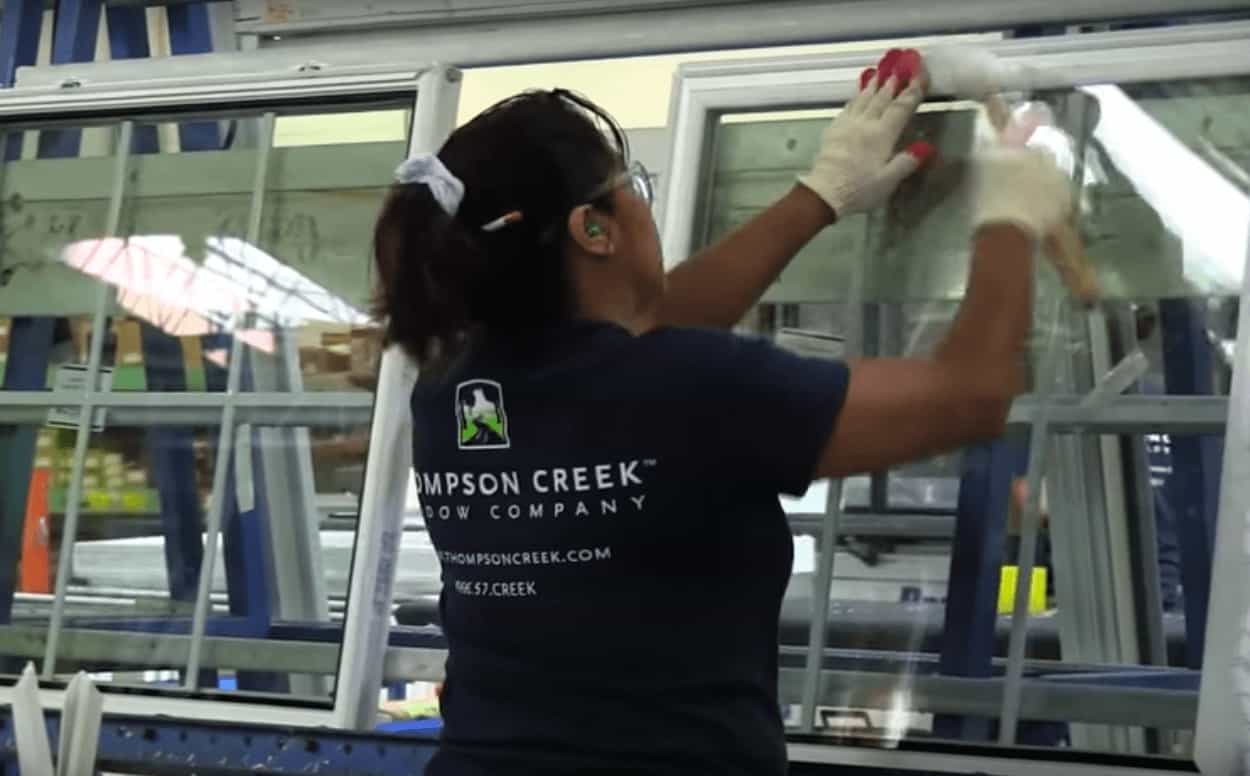
At Thompson Creek, we custom-manufacture every window in our 70,000-square-foot Maryland facility specifically for your home’s exact specifications. Our windows exceed ENERGY STAR® 2022 criteria, withstand winds up to 146 mph (AAMA tested), and come with our industry-leading 50-year No-Hassle Warranty covering both products and installation.
With over 40 years serving the Mid-Atlantic region, we understand exactly what Maryland, Virginia, and DC homeowners need to combat our unique climate challenges. From initial design through professional installation to ongoing warranty service, you work with one company—Thompson Creek—ensuring complete accountability and peace of mind.
Ready to upgrade your home with energy-efficient windows built for Mid-Atlantic weather? Schedule your free consultation today and discover why Mid-Atlantic homeowners have trusted Thompson Creek since 1980. Our custom-manufactured vinyl windows come with professional installation, a 50-year warranty, and the quality you deserve. You may also qualify for significant tax credits and rebates that can reduce your replacement window investment by up to 30%.